



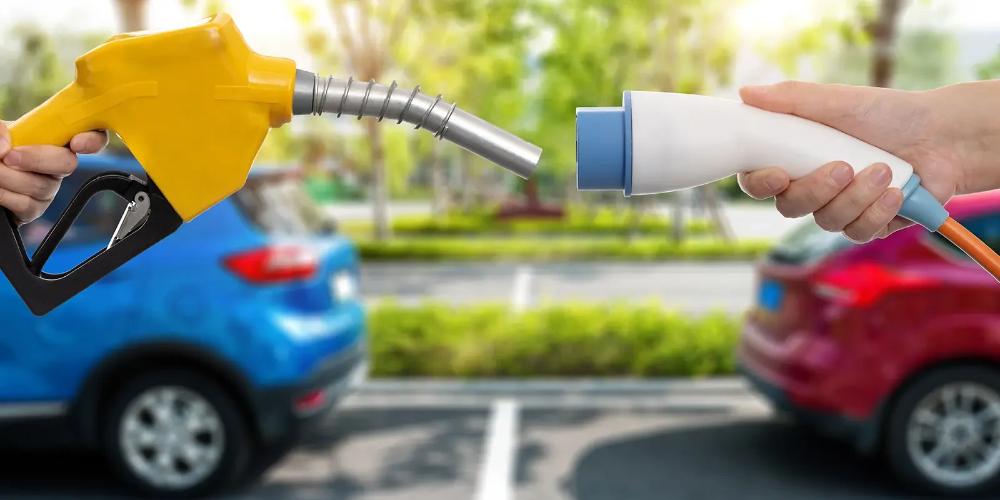
Electric vehicles (EVs) and petrol vehicles offer different advantages for everyday drivers and commercial users. While petrol vehicles have a long-established refuelling network and familiar engine technology, EVs offer quieter driving, lower energy costs in many situations, and reduced tailpipe emissions. Choosing between them depends on the purchase budget, daily travel distance, charging availability, maintenance requirements, and intended use. For people who travel mainly within cities, an EV may provide long-term savings, especially when home charging is available. Petrol vehicles can remain practical for buyers who prefer conventional refuelling and regularly travel where charging facilities are limited. Understanding their key differences helps buyers make a more informed decision.
Understanding How EVs and Petrol Vehicles Work
Electric vehicles use rechargeable batteries to power electric motors, while petrol vehicles rely on internal combustion engines that burn fuel to produce movement. EVs can recover some energy during braking through regenerative braking, whereas petrol vehicles require conventional engine and transmission systems. This difference affects driving feel, energy efficiency, and servicing needs. Electric cars generally deliver immediate acceleration and operate more quietly, making them comfortable for stop-and-go city traffic. Petrol vehicles offer familiar driving characteristics and can be refuelled quickly at conventional fuel stations. Both types are available in different sizes and price categories, so buyers should compare specific models rather than assume every EV or petrol vehicle will suit the same requirements.
Comparing Purchase Price and Running Costs
Purchase price is an important consideration when comparing EVs with petrol vehicles. Some electric models have a higher initial price than comparable petrol alternatives, although the gap varies by segment, battery size, incentives, and model. Running costs can favour EVs because electricity may cost less per kilometre than petrol, particularly when charging at home. However, public fast charging can be more expensive than home charging, and actual savings depend on local electricity tariffs and vehicle efficiency. Buyers should calculate total ownership costs, including financing, insurance, maintenance, energy, and resale value. Research by the Council on Energy, Environment and Water highlights that annual distance travelled and vehicle category significantly influence which powertrain is more economical.
| Comparison factor | Electric vehicle | Petrol vehicle |
|---|---|---|
| Energy source | Electricity | Petrol |
| Running cost | Often lower with home charging | Depends on fuel price and mileage |
| Routine maintenance | Generally fewer powertrain service requirements | Regular engine servicing required |
| Refuelling or charging | Charging takes longer | Usually refuels quickly |
| Driving experience | Quiet and smooth | Familiar engine response and sound |
| Long-distance travel | Requires route and charging planning | Convenient where fuel stations are available |
Maintenance Requirements and Long-Term Reliability
EVs generally have fewer moving powertrain components than petrol vehicles. They do not require engine oil changes, spark plug replacements, or exhaust-system servicing, which can reduce certain routine maintenance expenses. However, EV owners still need tyre care, brake inspections, cabin-filter replacement where applicable, and battery and electrical-system checks. Battery condition is an important consideration when assessing an older electric vehicle. Petrol vehicles require regular engine servicing, including oil and filter changes, along with other maintenance specified by the manufacturer. Their repair costs depend on the model, age, and condition. Before buying either type, compare warranty coverage, service-centre availability, replacement-part costs, and expected resale value rather than judging reliability by fuel type alone.
Environmental Impact and Everyday Convenience
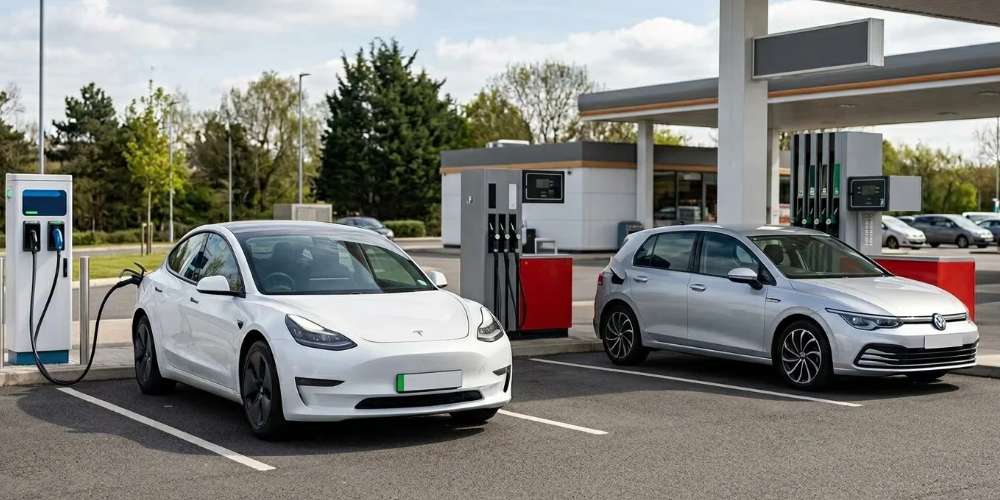
EVs produce no tailpipe emissions while driving, which can help reduce roadside air pollution. Their overall environmental impact also depends on how electricity is generated and how batteries are manufactured and recycled. Petrol vehicles release exhaust emissions during operation and depend on a continuously purchased fossil fuel. Convenience, however, depends on the driver’s routine. EV owners with access to home or workplace charging can often recharge while parked, avoiding frequent fuel-station visits. People who rely on public charging may need to plan around charger availability and charging time. Petrol vehicles remain convenient for spontaneous long-distance trips because refuelling usually takes only a few minutes. For either option, local infrastructure and typical journeys should influence the final decision.
Key Factors to Consider Before Buying
Choosing between an EV and a petrol vehicle becomes easier when you evaluate how the vehicle will be used. A city commuter with predictable daily travel and convenient charging may benefit from electric mobility. Someone who regularly drives long distances through areas with limited charging facilities may prefer a petrol vehicle. Commercial buyers should also consider vehicle downtime, daily kilometres, load requirements, and the availability of charging or refuelling near their operating routes. These factors influence productivity as well as ownership costs.
- Daily distance: Estimate how far you usually travel each day.
- Charging access: Check whether home, workplace, or public charging is practical.
- Budget: Compare upfront prices, financing, insurance, and running expenses.
- Maintenance: Review service schedules, warranty terms, and local support.
- Travel patterns: Consider highway journeys, city traffic, and access to infrastructure.
Conclusion
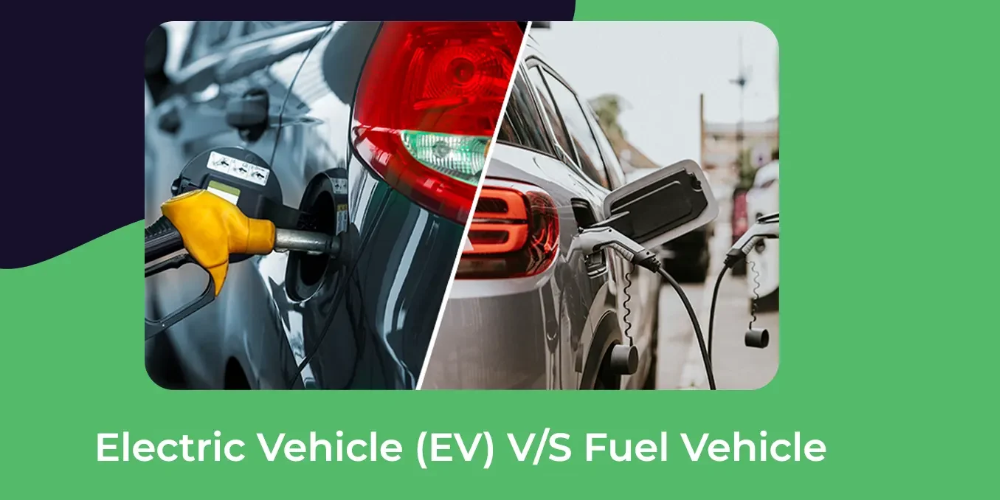
EVs and petrol vehicles each offer benefits, and neither is automatically the right choice for every buyer. Electric vehicles can provide lower energy and routine maintenance costs, particularly for drivers who travel regularly and can charge conveniently. Petrol vehicles offer familiar technology, quick refuelling, and flexibility in areas where charging infrastructure is limited. The best choice depends on purchase budget, daily mileage, travel patterns, ownership period, and local conditions. Before deciding, compare similar models and calculate their estimated total cost of ownership. Looking beyond the initial price will help you select a vehicle that fits your lifestyle or business needs and remains practical over the long term.