

Understanding The Basics Of EV Charging
Electric vehicle charging is an essential part of owning and operating an electric car. Unlike conventional vehicles that require petrol or diesel, electric vehicles depend on rechargeable batteries to store energy and power their motors. Charging involves transferring electricity from a power source into the vehicle’s battery through compatible charging equipment. The process can take different amounts of time depending on battery capacity, charger output, and vehicle compatibility. Understanding these basics helps new owners become familiar with charging requirements and develop convenient routines. With several charging solutions available today, drivers can choose options that suit their lifestyles, travel distances, and everyday transportation needs.
Exploring Different Types Of EV Chargers
Electric vehicle chargers are generally divided into three categories based on their power output and charging speed. Level 1 charging uses a standard household electrical outlet and is suitable for drivers with limited daily travel requirements. Level 2 charging uses dedicated equipment to provide faster charging at homes, workplaces, and public locations. DC fast charging delivers electricity directly to the vehicle’s battery and is commonly installed along highways and major travel routes. Each charging type serves a different purpose, so selecting the right option depends on driving habits, available electrical infrastructure, and the vehicle manufacturer’s recommendations.
How To Charge An Electric Vehicle
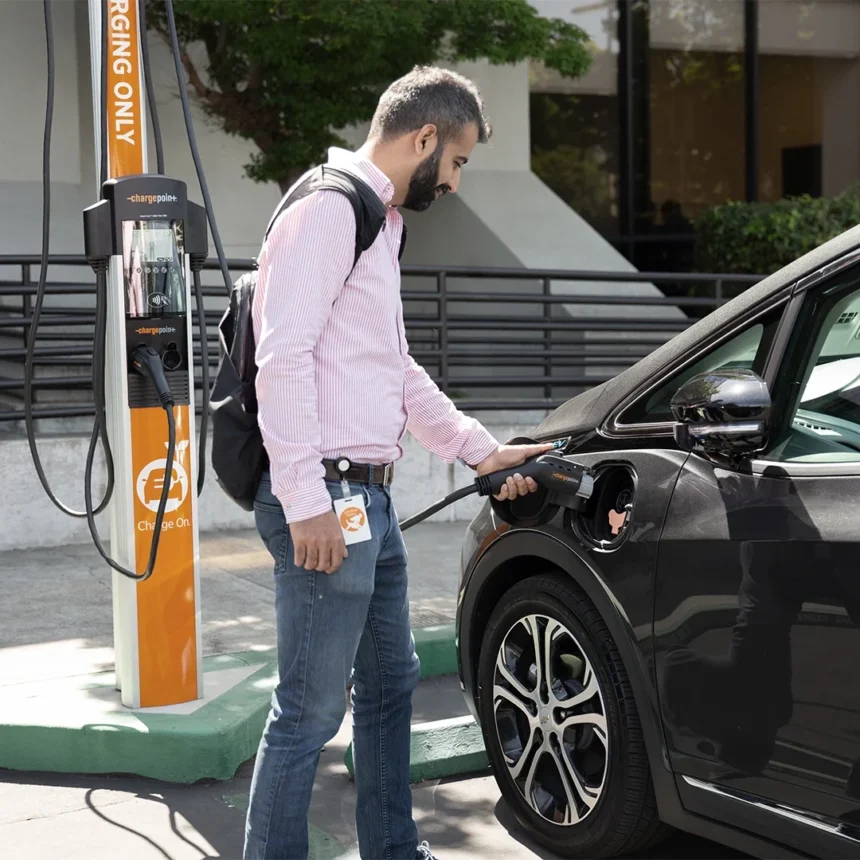
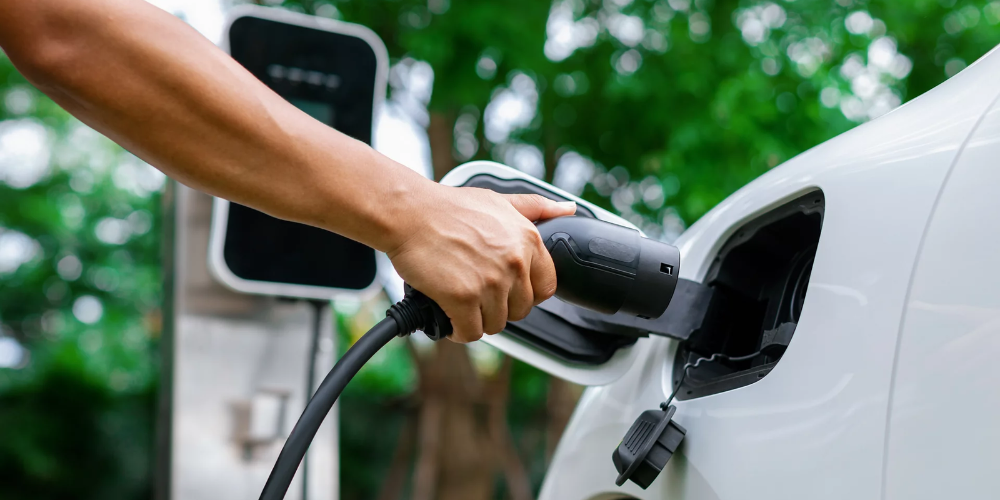
Charging an electric vehicle is a straightforward process when the correct equipment and connection are available. Drivers should first park their vehicles near a compatible charging point and switch off the vehicle if required by the manufacturer. Next, they need to connect the charging cable securely to the vehicle’s charging port and follow the instructions displayed on the charging equipment. Public charging stations may require an application, membership account, or payment method to begin a session. Once charging starts, drivers can monitor battery levels through the vehicle dashboard or charging application. After completion, disconnecting the cable safely ensures the vehicle is ready for use.
Choosing The Right Home Charging Equipment
Installing a home charging station can make electric vehicle ownership more convenient, especially for people who drive regularly. Before purchasing equipment, owners should consider their vehicle’s charging compatibility, battery capacity, available electrical supply, and parking arrangements. A Level 2 home charger is often suitable for drivers who want faster overnight charging compared with a standard household outlet. Professional installation is important because the electrical connection must meet applicable safety requirements and support the charger’s power demand. Owners should also consider cable length, weather protection, smart charging features, and warranty coverage when selecting equipment for long-term household use.
Finding And Using Public Charging Stations
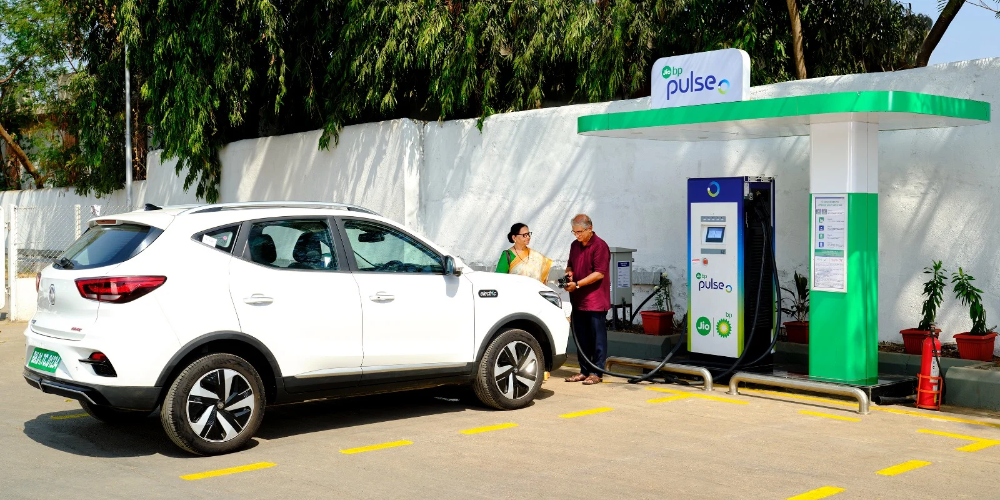
Public charging stations provide an important solution for drivers who travel longer distances or cannot install charging equipment at home. These stations are commonly available at shopping centres, hotels, office complexes, parking facilities, and highway locations. Drivers can use charging network applications or navigation systems to locate nearby stations, check connector compatibility, and review available charging speeds. Before starting a session, it is useful to check the pricing structure and operating instructions. Some locations offer AC charging for longer parking periods, while others provide DC fast charging for shorter stops. Planning charging breaks in advance can make journeys more convenient.
Essential Safety Tips For EV Charging
Following basic safety practices helps protect both the vehicle and the charging equipment. Drivers should always use compatible chargers and cables approved by the vehicle manufacturer or a reliable charging equipment provider. Charging connectors should be inspected regularly for visible damage, unusual heating, or loose connections. It is important to avoid using damaged electrical outlets, unsuitable extension cords, or equipment exposed to water beyond its specified protection rating. Home charging installations should be handled by qualified professionals who can verify electrical capacity and safety measures. Following manufacturer instructions and charging station guidelines helps reduce potential risks and supports reliable everyday charging.
Conclusion
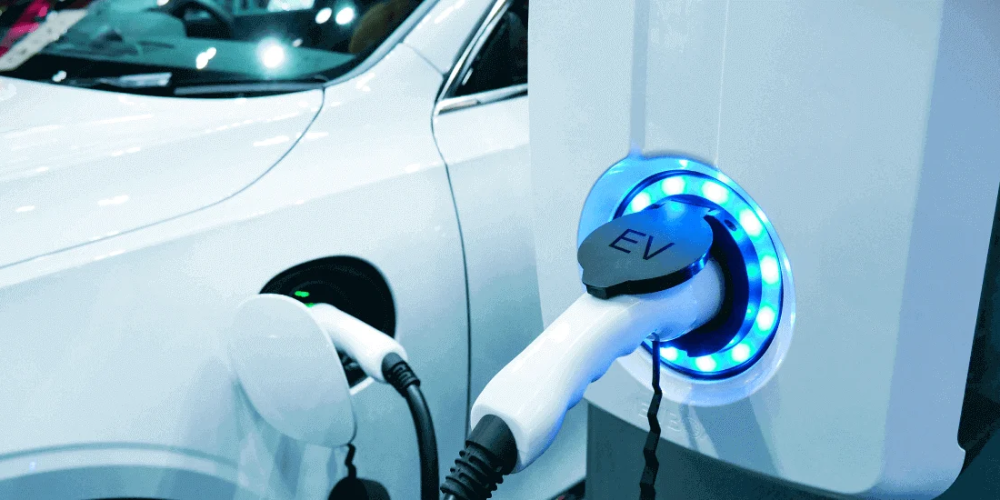
Understanding electric vehicle charging makes ownership easier, more convenient, and more efficient. From selecting the right charger to finding public charging stations, every step contributes to a better driving experience. Home charging can simplify daily routines, while public charging networks provide flexibility during longer journeys. Drivers should consider charging speed, equipment compatibility, electrical safety, and battery requirements before choosing a charging solution. Developing good charging habits and planning journeys around available infrastructure can help avoid unnecessary delays. As electric mobility continues to expand, learning about charging methods and equipment will help drivers make informed decisions and use their vehicles confidently.