


Understanding How Electric Vehicle Charging Works
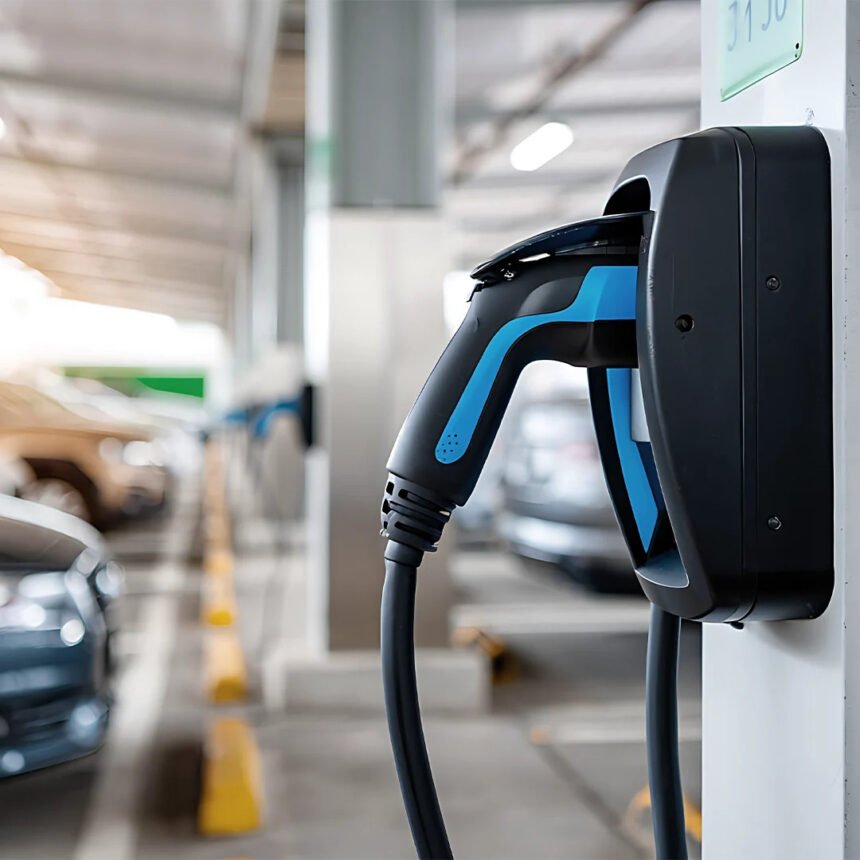
Electric vehicle charging costs depend on several factors, including battery capacity, electricity rates, charging speed, and the type of charging station used. Unlike conventional vehicles that require petrol or diesel, electric vehicles use electricity stored in rechargeable batteries. Owners can charge their vehicles at home, workplaces, or public charging stations, depending on their convenience and driving requirements. Understanding how charging works helps drivers estimate their daily expenses and plan their budgets more effectively. With different charging options available, choosing the right method can make electric vehicle ownership more affordable while supporting a more energy-efficient approach to transportation.
Key Factors That Influence Charging Costs
Several elements determine how much an electric vehicle owner spends on charging. Battery capacity plays an important role because vehicles with larger batteries generally require more electricity to reach a full charge. Local electricity prices also affect the overall expense, making charging costs different across locations. Charging efficiency, battery condition, and driving habits can further influence consumption. Additionally, charging during peak electricity hours may cost more than using electricity during off-peak periods where time-based pricing is available. Understanding these factors allows drivers to compare charging options, estimate their monthly expenses, and identify practical ways to reduce their overall transportation costs.
Comparing Home And Public Charging Expenses
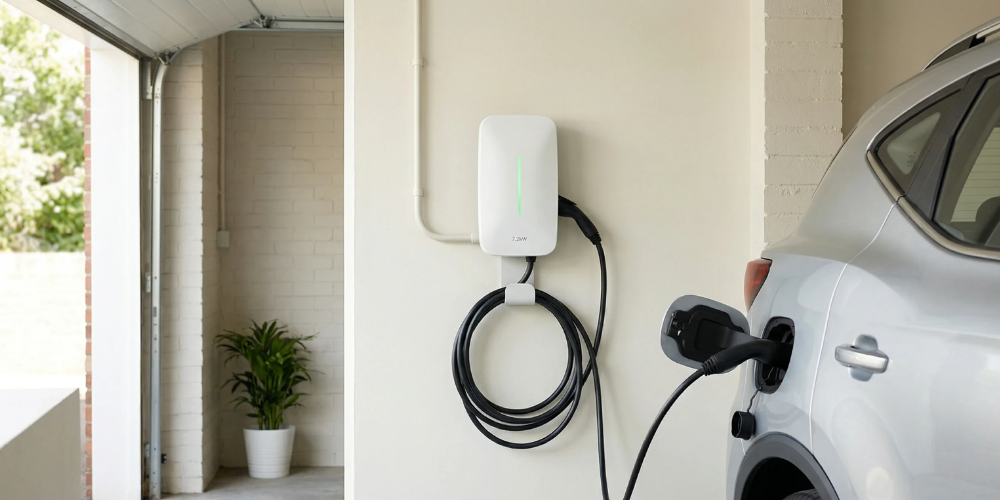
Home charging is generally considered the more economical option for regular electric vehicle use because drivers pay residential electricity rates rather than commercial charging prices. It also allows vehicles to recharge overnight or during periods of lower electricity demand. Public charging stations offer greater flexibility, particularly during long-distance journeys, but their pricing may include service charges, connection fees, or membership costs. Fast-charging facilities can also be more expensive because of their equipment and operational requirements. Comparing residential and public charging prices helps owners decide when to charge at home and when to use external charging networks.
Calculating The Cost Of A Full Charge
Calculating the cost of charging an electric vehicle is relatively straightforward when the battery capacity and electricity tariff are known. The basic formula involves multiplying the electricity required in kilowatt-hours by the applicable price per kilowatt-hour. For example, charging a vehicle with a 60 kWh battery at a rate of 0.20 currency units per kWh would cost 12 currency units for a full battery charge, assuming the entire capacity needs charging and ignoring charging losses. Actual expenses may vary because vehicles rarely charge from completely empty to full, and some electricity is lost during the charging process.
Fast Charging Versus Standard Charging Expenses
Charging speed is another important consideration when calculating electric vehicle expenses. Standard AC charging is commonly used at homes and workplaces, where vehicles can remain connected for several hours. DC fast charging provides electricity much more quickly, making it useful for drivers who need to continue their journeys without lengthy stops. However, faster charging may involve higher prices depending on the charging provider and location. Drivers should consider both convenience and cost before selecting a charging option. Using standard charging for everyday requirements and reserving fast charging for longer journeys can help maintain a reasonable charging budget.
Practical Ways To Reduce EV Charging Costs
Electric vehicle owners can adopt several habits to manage their charging expenses more effectively. Charging during off-peak electricity hours can reduce costs when lower time-based tariffs are available. Installing a suitable home charger may also provide greater convenience and help reduce dependence on expensive public charging networks. Drivers should avoid unnecessary charging sessions, monitor electricity consumption, and compare prices across available charging providers. Maintaining proper tyre pressure and adopting smooth driving habits can improve vehicle efficiency, allowing more distance to be covered with the same amount of electricity. These simple practices can contribute to long-term savings without compromising everyday driving convenience.
Understanding Long-Term EV Ownership Savings
Evaluating electric vehicle expenses requires looking beyond individual charging sessions. Over time, electricity costs can be lower than conventional fuel expenses, depending on local energy prices, vehicle efficiency, and driving distance. Electric vehicles may also have lower routine maintenance requirements because they contain fewer moving mechanical components than traditional combustion-engine vehicles. However, owners should consider additional expenses such as home charger installation, battery-related costs, insurance, and servicing. Comparing the total cost of ownership provides a clearer picture of potential financial benefits. A well-planned charging routine can make electric mobility a practical and economical choice for everyday transportation.
Conclusion
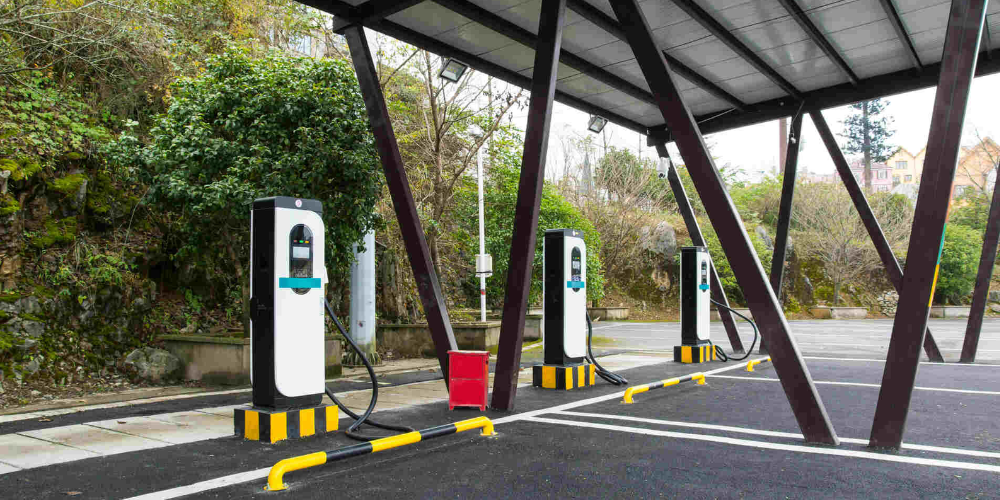
EV charging costs depend on battery capacity, electricity prices, charging equipment, and individual driving habits. Home charging generally provides an economical solution for regular use, while public charging stations offer flexibility and convenience during longer journeys. Understanding the difference between standard and fast charging can help drivers make informed decisions about their expenses. By comparing electricity tariffs, choosing suitable charging schedules, and maintaining efficient driving habits, electric vehicle owners can manage their budgets more effectively. As charging infrastructure continues to develop, understanding these expenses will remain important for anyone considering electric mobility or looking to make better use of an existing electric vehicle.