

Owning a car comes with the responsibility of maintaining its performance, safety, and reliability. Regular maintenance helps prevent unexpected breakdowns, reduces repair expenses, and improves the overall driving experience. Whether someone owns a hatchback, sedan, SUV, or electric vehicle, following a proper maintenance routine can make a significant difference in the vehicle’s lifespan. Basic practices such as checking engine oil, maintaining tyre pressure, inspecting brakes, and keeping the battery in good condition help ensure smooth operation. Understanding essential car maintenance requirements also allows owners to identify potential problems early and avoid costly repairs in the future.
Regular Engine Oil Checks And Replacement
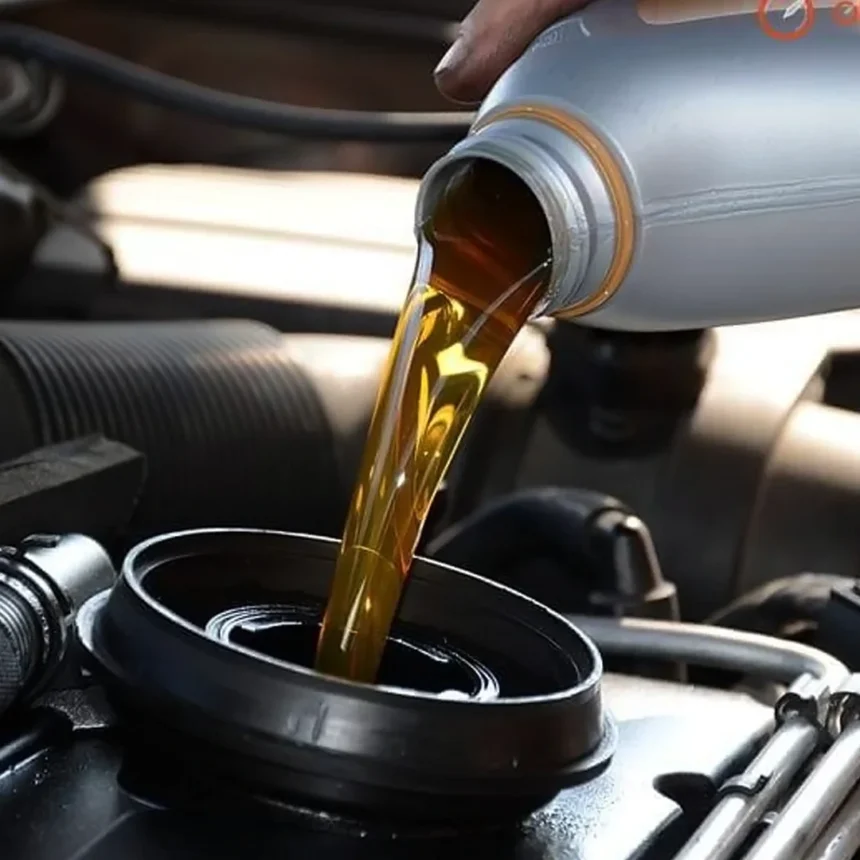
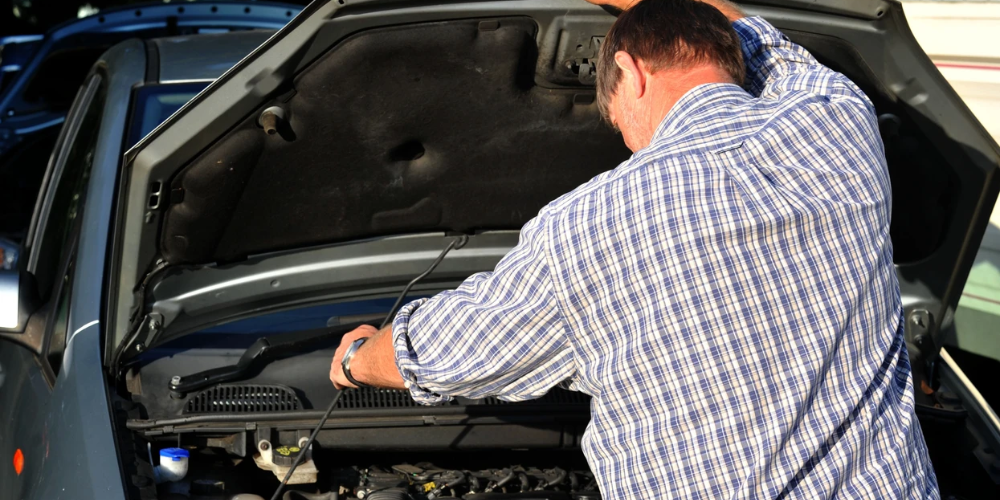
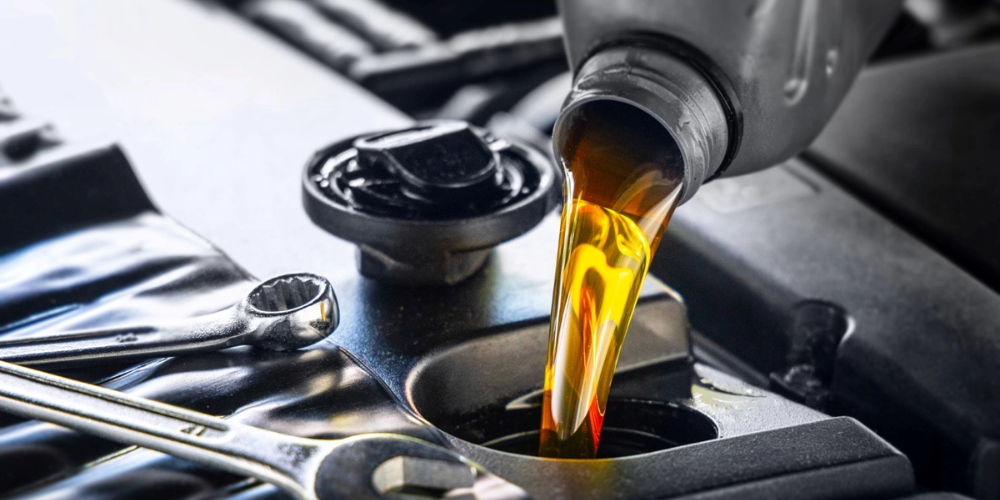
Engine oil plays an important role in keeping a vehicle’s engine running smoothly. It lubricates moving components, reduces friction, controls heat, and helps prevent excessive wear. Car owners should regularly check the engine oil level using the dipstick and ensure it remains within the recommended range. Oil quality also deteriorates over time because of heat, contamination, and continuous engine operation. Therefore, replacing engine oil and the oil filter according to the manufacturer’s recommended service schedule is essential. Using the correct oil grade helps maintain engine efficiency, supports reliable performance, and reduces the possibility of premature mechanical damage.
Maintain Proper Tyre Pressure And Condition
Tyres directly influence vehicle handling, braking performance, fuel efficiency, and road safety. Maintaining the recommended tyre pressure is one of the simplest yet most important maintenance practices. Underinflated tyres can increase rolling resistance, generate excessive heat, and wear unevenly, while overinflated tyres may reduce road contact and affect comfort. Owners should check tyre pressure regularly, preferably when the tyres are cold, and follow the manufacturer’s recommended specifications. It is equally important to inspect tread depth, sidewalls, and signs of damage. Regular wheel alignment, balancing, and tyre rotation also help improve tyre life and provide more consistent driving performance.
Inspect Brakes For Safe Driving Performance
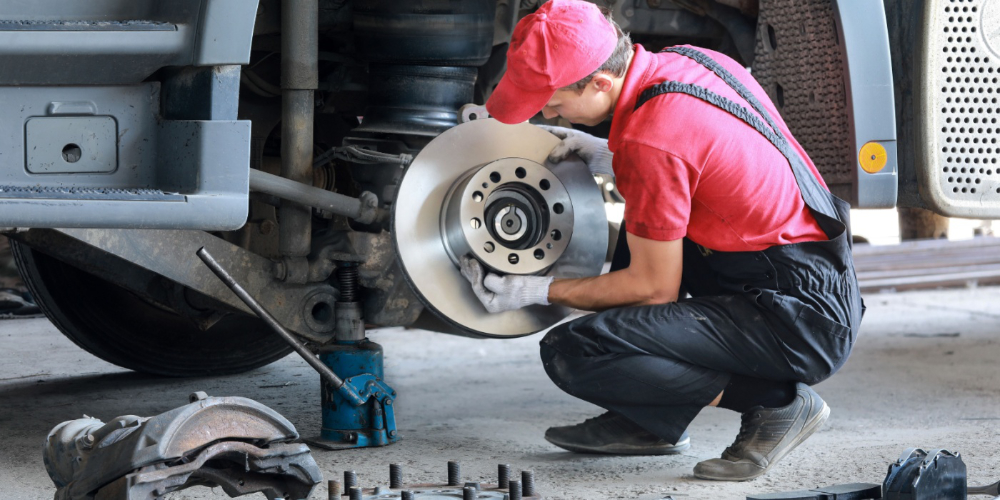
A properly functioning braking system is essential for maintaining control and preventing accidents. Car owners should pay attention to unusual sounds, vibrations, or changes in braking response because these may indicate worn brake pads, damaged discs, or other mechanical issues. Brake fluid levels should also be checked according to the vehicle manufacturer’s recommendations. If the brake pedal feels unusually soft or the vehicle takes longer to stop, professional inspection is necessary. Regular brake servicing helps maintain effective stopping performance and reduces the possibility of unexpected failures. Ignoring warning signs can increase repair costs and create serious safety risks for drivers and passengers.
Keep The Car Battery In Good Condition
The car battery supplies electrical power required to start the engine and operate various electronic systems. A weak or damaged battery can cause starting difficulties, flickering lights, and electrical malfunctions. Owners should periodically inspect the battery terminals for corrosion and ensure connections remain clean and secure. It is also useful to check the battery’s condition, especially before extreme weather conditions or long journeys. Most conventional car batteries have a limited service life, although their durability depends on usage, climate, and maintenance. Replacing an ageing battery at the appropriate time helps prevent unexpected starting problems and keeps essential electrical functions operating reliably.
Monitor Coolant Levels And Engine Temperature
The cooling system prevents the engine from overheating by maintaining an appropriate operating temperature. Coolant circulates through the engine and radiator, helping transfer excess heat away from important components. Car owners should regularly check the coolant reservoir and ensure the fluid remains within the recommended minimum and maximum markings. Low coolant levels, visible leaks, or frequent temperature fluctuations may indicate an underlying problem. It is important to use the coolant type specified by the manufacturer rather than relying on ordinary water as a permanent replacement. Never open a hot radiator cap because pressurised coolant can cause serious burns. Professional inspection is recommended if overheating continues.
Replace Air Filters And Maintain Visibility
Air filters help prevent dust, dirt, and other particles from entering the engine, supporting efficient combustion and consistent performance. A clogged air filter can restrict airflow and may affect fuel efficiency and engine response. Cabin air filters also require periodic replacement because they help maintain cleaner air inside the vehicle by trapping dust and pollutants. In addition to filters, maintaining clear visibility is essential for safe driving. Owners should inspect windshield wipers, replace worn blades, and keep the windshield clean. Checking headlights, indicators, brake lights, and fog lamps regularly ensures that the vehicle remains visible to other road users in different driving conditions.

Follow Scheduled Servicing And Vehicle Inspections
Following the manufacturer’s recommended service schedule is essential for maintaining long-term vehicle reliability. Scheduled servicing allows technicians to inspect important components, replace worn parts, update software when required, and identify developing mechanical issues. Depending on the vehicle, maintenance may include oil changes, filter replacement, fluid checks, brake inspections, and transmission servicing. Owners should also maintain service records because they provide useful information about previous repairs and upcoming maintenance requirements. Before long journeys, checking tyre condition, fuel levels, lights, brakes, and essential fluids is particularly important. Regular professional inspections help identify minor problems early and reduce the likelihood of expensive repairs.
Conclusion
Proper car maintenance is essential for improving vehicle reliability, safety, and long-term performance. Simple practices such as checking engine oil, maintaining tyre pressure, inspecting brakes, monitoring coolant levels, and keeping the battery healthy can prevent several common problems. Following the recommended servicing schedule also helps ensure that important vehicle components remain in good working condition. Every car owner should develop a regular maintenance routine based on the manufacturer’s guidelines and driving conditions. Taking care of a vehicle consistently not only reduces unexpected repair expenses but also contributes to a smoother, safer, and more comfortable driving experience.