


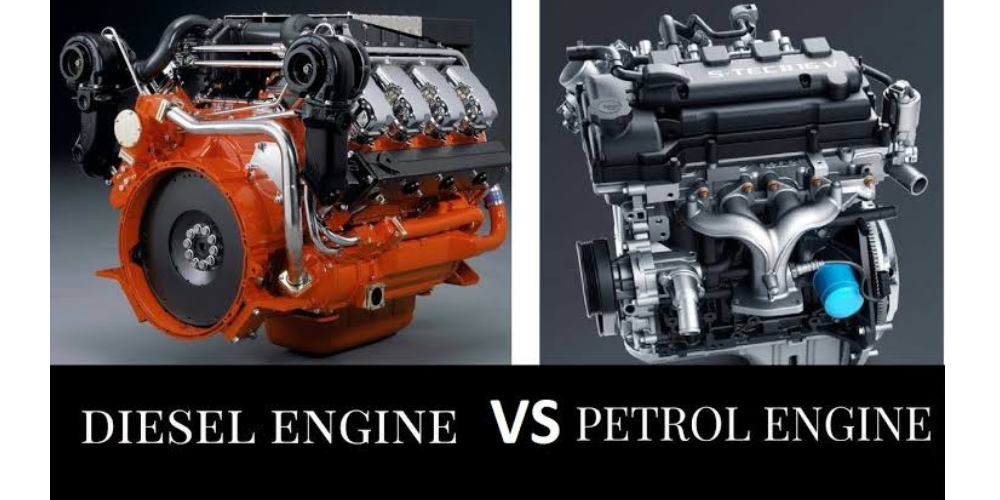
Petrol and diesel engines are two of the most widely used powertrain technologies in the automobile industry. Although both engines operate using internal combustion principles, they differ in fuel delivery, ignition methods, performance characteristics, and efficiency. These differences influence how vehicles accelerate, consume fuel, produce power, and perform under different driving conditions. Petrol engines are generally associated with smoother operation and quicker acceleration, while diesel engines are known for their strong torque and fuel efficiency. Understanding how these technologies work helps buyers make informed decisions when selecting a car. Both engine types have continued to evolve through technological improvements designed to enhance performance, reliability, and emission control.
Understanding How Petrol Engines Operate
Petrol engines work through a process known as spark ignition, in which a mixture of petrol and air is compressed inside the engine cylinder before being ignited by a spark plug. The combustion process pushes the piston downward, generating mechanical energy that eventually drives the vehicle’s wheels. Modern petrol engines use technologies such as electronic fuel injection, turbocharging, and variable valve timing to improve power delivery and fuel efficiency. These engines are commonly found in hatchbacks, sedans, SUVs, and sports cars. Their ability to operate at higher engine speeds makes them suitable for drivers who prefer responsive acceleration and smoother performance during everyday journeys.
Understanding How Diesel Engines Operate
Diesel engines use compression ignition technology instead of spark plugs to initiate combustion. During operation, air enters the cylinder and gets compressed to a high pressure, increasing its temperature. Diesel fuel is then injected into the hot compressed air, causing it to ignite automatically. This process produces the energy required to move the pistons and power the vehicle. Modern diesel engines incorporate common rail direct injection, turbocharging, intercooling, and advanced electronic control systems to improve performance. These technologies help deliver higher torque at relatively low engine speeds. Diesel engines are frequently used in SUVs, pickup trucks, commercial vehicles, and other automobiles that require strong pulling capability.
Key Differences Between Petrol And Diesel
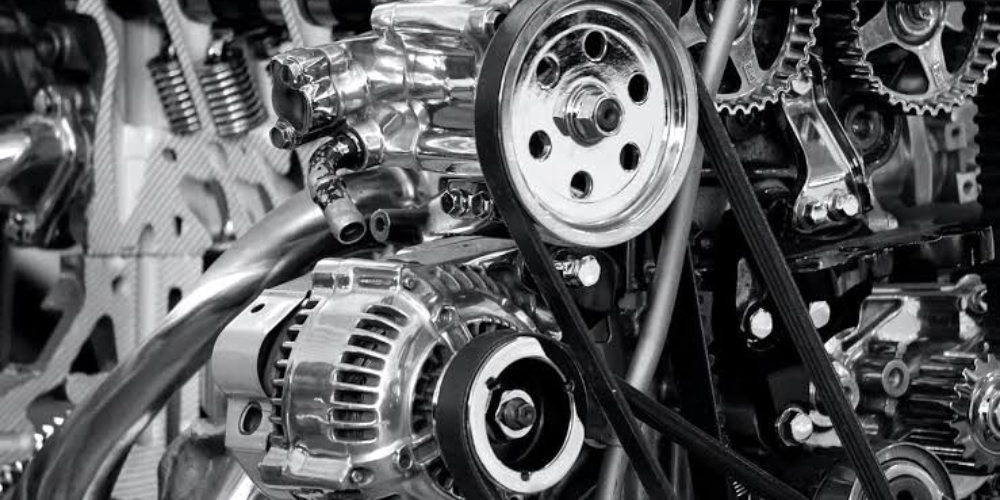
Petrol and diesel engines differ in several important areas, including combustion methods, fuel efficiency, torque delivery, maintenance requirements, and operating characteristics. Petrol engines generally provide smoother acceleration and quieter operation, whereas diesel engines deliver stronger low-speed torque and often achieve better fuel economy. Diesel engines also operate with higher compression ratios, which contribute to their efficiency. However, their components can be more expensive to manufacture and repair. Petrol engines are often preferred for regular city driving, while diesel powertrains can be suitable for longer journeys and vehicles carrying heavier loads. The right choice depends on driving habits, vehicle requirements, fuel costs, and ownership expectations.
Performance And Fuel Efficiency Comparison
Engine performance depends on factors such as horsepower, torque, vehicle weight, transmission, and fuel delivery technology. Petrol engines generally offer quicker throttle response and smoother acceleration, making them attractive for everyday personal vehicles. Diesel engines produce greater torque at lower revolutions per minute, which helps vehicles accelerate under heavy loads and maintain performance during highway driving. In terms of fuel efficiency, diesel engines usually consume less fuel for comparable driving conditions because of their higher thermal efficiency. However, actual fuel consumption varies according to engine design, driving behaviour, traffic conditions, and vehicle maintenance. Buyers should consider both fuel economy and overall ownership expenses before selecting an engine type.
Maintenance Costs And Engine Longevity
Maintenance requirements can vary significantly between petrol and diesel engines because of their different construction and operating conditions. Petrol engines generally have simpler fuel systems and may cost less to maintain in certain vehicle categories. Diesel engines use high-pressure fuel injection equipment, stronger internal components, and additional emission-control systems, which can increase repair expenses. Components such as diesel particulate filters, turbochargers, and injectors may require attention over time. However, diesel engines are often designed to withstand higher compression pressures and demanding operating conditions. With regular servicing, suitable engine oil, quality fuel, and timely replacement of filters, both petrol and diesel engines can deliver dependable performance for many years.
Environmental Impact And Emission Technologies
Environmental performance is another important factor when comparing petrol and diesel engine technology. Petrol engines generally produce lower nitrogen oxide and particulate emissions than older diesel engines, although their carbon dioxide emissions can be higher depending on fuel consumption. Diesel engines typically offer better fuel efficiency but can produce higher nitrogen oxide and particulate emissions without effective treatment systems. Modern automobiles use technologies such as catalytic converters, exhaust gas recirculation, diesel particulate filters, and selective catalytic reduction to control harmful emissions. Manufacturers also continue developing cleaner combustion systems and improved engine management technologies. These advancements help petrol and diesel vehicles meet increasingly strict emission regulations across different markets.

Choosing The Right Engine Technology
Selecting between petrol and diesel technology depends largely on how a vehicle will be used. Petrol engines are generally suitable for drivers who travel shorter distances, frequently drive in urban traffic, and prefer quieter operation. Diesel engines can be beneficial for people who regularly cover long highway distances or require stronger torque for carrying passengers and luggage. Buyers should also compare the purchase price, fuel expenses, servicing costs, expected ownership period, and applicable emission regulations. Vehicle availability and local restrictions can influence the decision as well. Evaluating these factors together provides a clearer understanding of which engine technology offers better value for individual transportation requirements.
Conclusion

Petrol and diesel engines offer different advantages based on their combustion technology, performance, efficiency, and maintenance requirements. Petrol engines are known for smoother operation, responsive acceleration, and suitability for everyday urban driving. Diesel engines provide stronger low-speed torque and better fuel efficiency in many applications, making them useful for long-distance travel and heavier vehicles. Technological developments have improved both engine types through advanced injection systems, turbocharging, and emission-control solutions. Ultimately, neither technology is universally better. The ideal choice depends on driving patterns, vehicle requirements, ownership costs, and personal preferences. Understanding these differences makes it easier to select an engine that meets long-term transportation needs.