


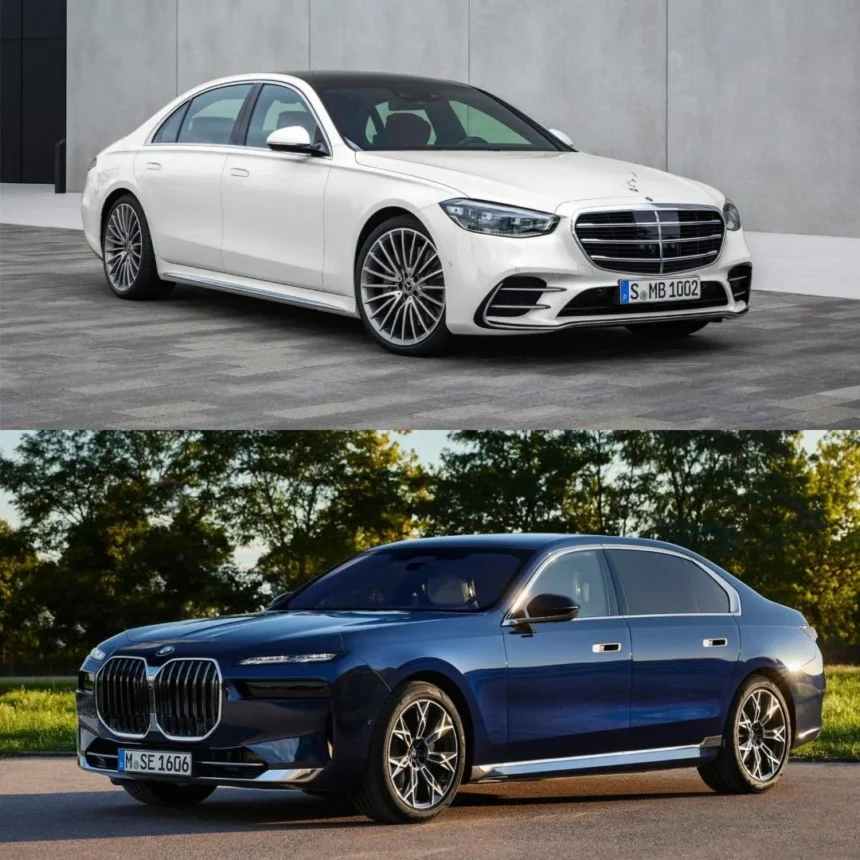
Choosing between BMW and Mercedes-Benz can be difficult for buyers who want a luxury car with advanced technology, premium comfort, and impressive performance. Both manufacturers have built strong reputations for combining engineering, innovation, and distinctive design. BMW is widely associated with sporty driving experiences, responsive handling, and driver-focused technology, while Mercedes-Benz is recognised for luxurious interiors, refined comfort, and sophisticated features. Both brands offer sedans, SUVs, and high-performance vehicles across different price categories. Comparing their features requires looking at several aspects, including interior quality, infotainment systems, safety technology, engine performance, comfort, and overall driving experience.
Brand Heritage And Luxury Market Position
BMW and Mercedes-Benz have long histories in the global automotive industry and are recognised among the leading premium car manufacturers. BMW has developed its identity around driving dynamics, engineering precision, and sporty vehicle designs. Its popular ranges include the 3 Series, 5 Series, 7 Series, X1, X5, and X7. Mercedes-Benz focuses strongly on luxury, refinement, and technological innovation through models such as the C-Class, E-Class, S-Class, GLC, GLE, and GLS. Both manufacturers offer vehicles for different customer preferences, from executive sedans to premium SUVs. Their continued investment in electric mobility and advanced automotive technology also strengthens their positions in the luxury vehicle segment.
Interior Design Comfort And Cabin Technology
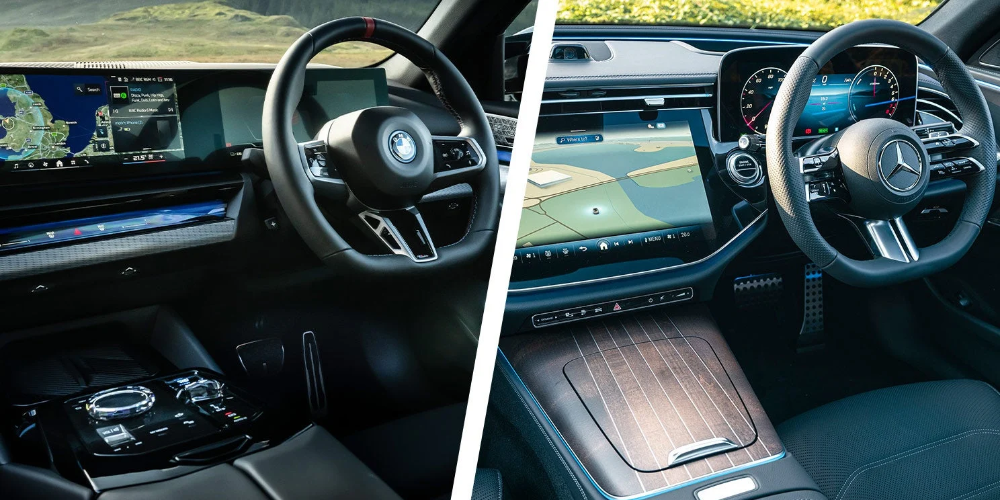
Interior design is one of the most noticeable differences between BMW and Mercedes-Benz vehicles. BMW generally follows a modern, driver-focused cabin layout with premium materials, supportive seating, and carefully positioned controls. Its interiors are designed to create a connected driving environment while maintaining a sporty character. Mercedes-Benz places considerable emphasis on luxury and visual appeal, offering elegant dashboards, ambient lighting, premium upholstery, and sophisticated cabin finishes. Both manufacturers provide comfortable seating arrangements and high-quality materials in their respective vehicle categories. However, the exact interior experience depends on the model and variant. Buyers who prioritise sporty cabin layouts may prefer BMW, while those seeking an elegant luxury atmosphere may appreciate Mercedes-Benz.
Infotainment Connectivity And Digital Features
Technology plays an important role in the luxury car experience, and both brands offer advanced infotainment systems. BMW uses its iDrive technology to provide access to navigation, entertainment, vehicle settings, and connected services. Mercedes-Benz features its MBUX infotainment system, which focuses on interactive displays, voice assistance, navigation, and personalised digital experiences. Depending on the model, buyers can also find smartphone connectivity, wireless charging, digital instrument displays, and premium sound systems.
| Feature | BMW | Mercedes-Benz |
|---|---|---|
| Infotainment system | BMW iDrive | Mercedes-Benz MBUX |
| Digital displays | Curved and digital displays on selected models | Digital displays on selected models |
| Voice assistance | BMW Intelligent Personal Assistant | MBUX voice assistant |
| Interior lighting | Ambient lighting on selected models | Ambient lighting on selected models |
| Smartphone connectivity | Available on selected models | Available on selected models |
| Premium audio | Available across selected variants | Available across selected variants |
Both manufacturers continuously improve their digital systems, although features and availability differ according to the vehicle and equipment package.
Safety Systems And Driver Assistance Features

Safety is another important consideration when comparing premium automobile manufacturers. BMW and Mercedes-Benz offer advanced safety technologies designed to support drivers and improve passenger protection. Depending on the model, these systems may include adaptive cruise control, lane departure warnings, blind-spot monitoring, parking assistance, collision warnings, and automatic emergency braking. Both brands also incorporate structural safety engineering and multiple airbags across their vehicle lineups. Mercedes-Benz places considerable emphasis on driver assistance and occupant protection, while BMW combines active safety technology with driving-focused assistance systems. Buyers should compare the standard and optional safety equipment of individual models because availability can vary significantly between different markets and variants.
Engine Performance And Overall Driving Experience
BMW and Mercedes-Benz approach engine performance with different priorities, although both manufacturers offer powerful and refined driving options. BMW is particularly recognised for sporty handling, responsive steering, and performance-oriented engineering. Its M Performance and M models provide additional options for drivers interested in higher performance. Mercedes-Benz balances power with refinement, offering smooth acceleration, comfortable suspension setups, and performance-focused AMG models. Both manufacturers also offer hybrid and fully electric vehicles in selected markets. The driving experience depends on engine configuration, transmission, suspension, and vehicle category. BMW may appeal more to enthusiastic drivers, while Mercedes-Benz can attract buyers who prioritise refined performance and comfortable journeys.

Conclusion
BMW and Mercedes-Benz both offer impressive features, advanced technology, and premium driving experiences, but their strengths appeal to different types of buyers. BMW is an attractive option for people who appreciate sporty styling, responsive handling, and driver-focused technology. Mercedes-Benz is worth considering for buyers who prioritise elegant interiors, luxurious comfort, and sophisticated digital features. Both manufacturers provide advanced infotainment systems, safety technologies, and performance-oriented models across their lineups. Ultimately, choosing between these brands depends on personal preferences, budget, and intended usage. Comparing specific models, checking available features, and taking test drives can help buyers decide which luxury car brand better matches their expectations.