

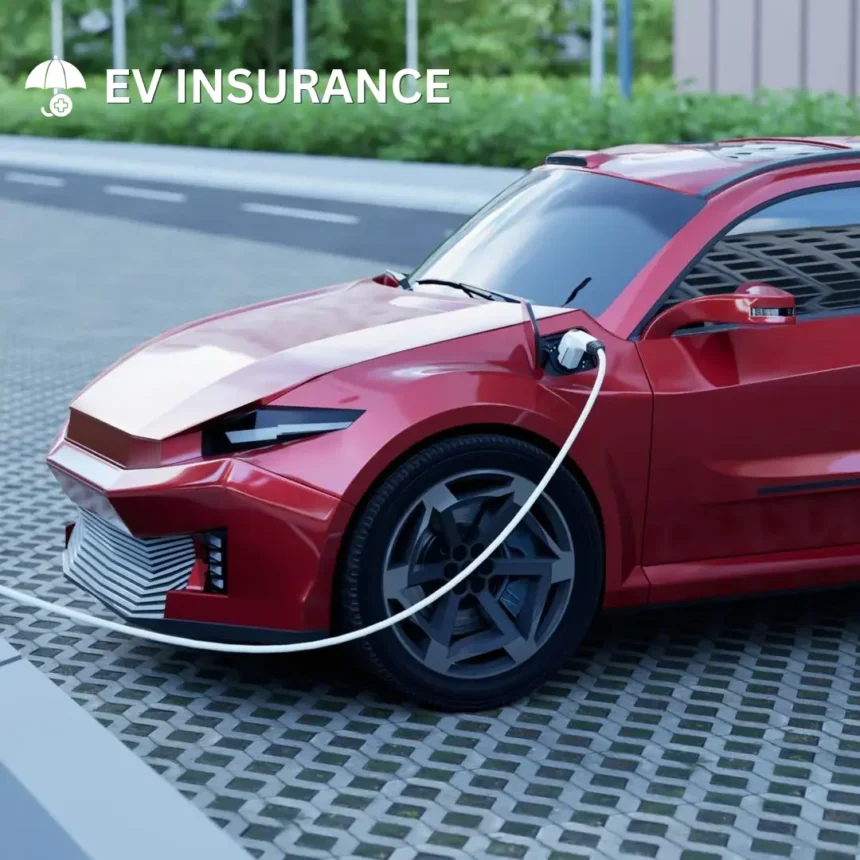
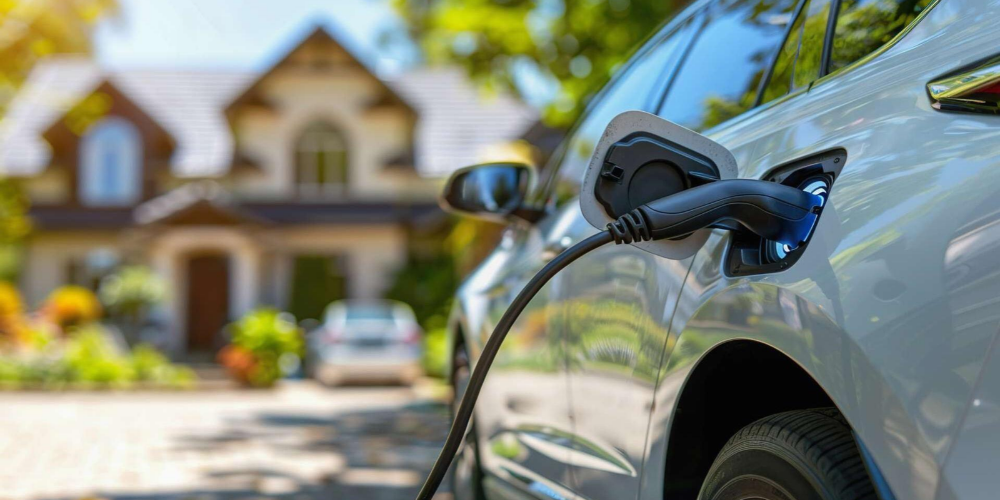
Electric vehicles are becoming an increasingly popular choice because they offer lower running costs, reduced emissions and a quieter driving experience. However, like petrol and diesel vehicles, EVs also face risks such as road accidents, theft, fire and natural disasters. Their specialised components, particularly batteries, electric motors and charging equipment, can also involve significant repair or replacement expenses. Electric vehicle insurance helps owners manage these financial risks by providing protection against specified damages and liabilities. Choosing a suitable policy is important because EVs have different insurance requirements from conventional vehicles, especially when it comes to battery and charging-related protection.
Understanding Electric Vehicle Insurance Coverage
Electric vehicle insurance is designed to protect an EV against financial losses arising from covered incidents. In India, third-party insurance is mandatory for vehicles used on public roads. It covers the policyholder’s legal liability for injury, death or property damage caused to another person. However, it does not cover damage to the insured vehicle itself. A comprehensive policy combines third-party liability protection with own-damage coverage. Depending on the policy terms, this can include damage caused by accidents, fire, theft, floods, storms, riots and other specified events. Owners should review the policy wording to understand the exact coverage, exclusions and claim conditions.
Battery And Charging Equipment Protection
The battery is one of the most important and expensive components of an electric vehicle. Damage to the battery, battery management system or electric motor can result in substantial repair expenses. Standard own-damage coverage may protect these components against insured events, but certain electrical failures, water ingress or charging-related incidents may require additional protection. Battery protection add-ons can cover specified damage arising from incidents such as short circuits, electrical surges and water entering the battery system. Separate charging equipment covers may also protect eligible wall-mounted chargers, detachable batteries and charging accessories. The availability and conditions of these benefits vary between insurers.
Major Benefits Of Insuring Electric Vehicles
An appropriate EV insurance policy provides financial support when unexpected incidents damage the vehicle or create legal liabilities. It can help owners manage repair expenses instead of paying the entire eligible amount from their savings. Comprehensive insurance also offers protection against theft and specified natural or man-made disasters. Third-party coverage helps meet legal liabilities if the insured vehicle causes injury, death or property damage to someone else. Some insurers also provide cashless repair facilities through authorised network garages, making the claims process more convenient. Additional covers can improve protection for expensive EV components and reduce certain out-of-pocket expenses, subject to policy conditions.
Important Features Of Electric Vehicle Policies
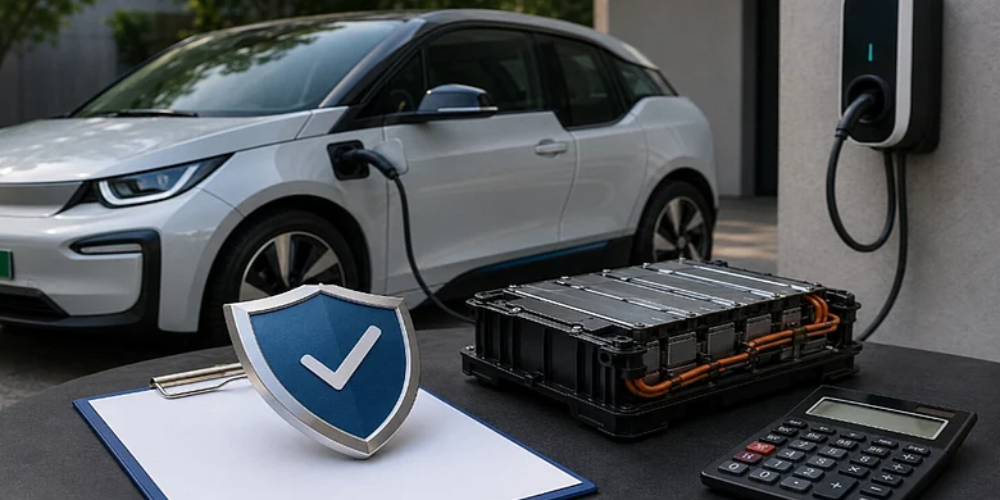
Electric vehicle insurance policies include several features that help owners select protection according to their requirements. These may include third-party liability, own-damage coverage, personal accident protection for the owner-driver and optional EV-specific add-ons. The insured declared value, or IDV, represents the vehicle’s insured market value and plays an important role in determining the maximum payout for total loss or theft, subject to policy terms. Policyholders may also receive a no-claim bonus on eligible renewals if they have not made a claim during the previous policy period. Cashless garage networks, online policy management and digital claim registration are other useful features offered by insurers.
Optional Add-Ons For Better EV Protection
EV owners can customise comprehensive insurance through optional add-ons that address risks not fully covered by a standard policy. Battery protection is particularly useful for covering specified battery-related damage, while charging equipment protection can help with eligible repairs or replacement of covered chargers and accessories. Zero depreciation cover reduces depreciation deductions on eligible replaced parts, subject to its terms and limits. Roadside assistance can provide support during breakdowns, while return-to-invoice cover may offer additional financial protection in cases of total loss or theft. Owners should compare add-on premiums, coverage limits, deductibles and exclusions before selecting them. Not every add-on is available for every vehicle or policy.
Factors That Affect Electric Vehicle Premiums
The premium of an electric vehicle insurance policy depends on several factors, including the vehicle’s make, model, age, battery capacity and insured declared value. A higher IDV can increase the own-damage premium because it represents a greater insured value. The location where the vehicle is registered, selected add-ons, applicable deductibles and previous claim history can also influence the final cost. Battery-related protection and charging equipment coverage may increase the premium but can provide useful financial support for specific risks. Before purchasing a policy, owners should compare quotes from different insurers and check the availability of EV-compatible repair facilities. The cheapest policy may not always provide suitable protection.
More EV News

Conclusion
Electric vehicle insurance is an important part of responsible EV ownership. It protects vehicle owners against specified financial risks, including third-party liabilities, accidental damage, theft and damage caused by covered natural or man-made events. Since EVs rely on expensive batteries, electric motors and specialised charging equipment, choosing suitable additional protection can make a meaningful difference. Owners should compare comprehensive policies, understand battery-related exclusions and check whether charging accessories are included. Reviewing the insured declared value, claim process, network garages and add-on conditions can also help in making an informed decision. A well-chosen policy provides greater financial confidence and supports a more secure electric driving experience.