

The Indian automobile market continues to introduce new models that reflect changing expectations around comfort, technology, performance and fuel efficiency. October 2026 has been particularly interesting, with fresh arrivals across several price categories. Buyers looking for a practical hatchback have a new Toyota Glanza to consider, while the Hyundai Bayon brings advanced connectivity and driver-assistance technology to the SUV segment. Renault has expanded its Duster range with a strong-hybrid option, offering another choice for customers interested in electrified driving. Meanwhile, Audi and Volvo have strengthened the premium market with new-generation vehicles. These launches are not simply about updated styling. They also highlight how manufacturers are approaching everyday convenience, cabin technology, safety and different powertrain requirements. Here is a closer look at some of the notable new cars introduced in India and the features that make them worth knowing about.
Hyundai Bayon Brings Technology Into Focus
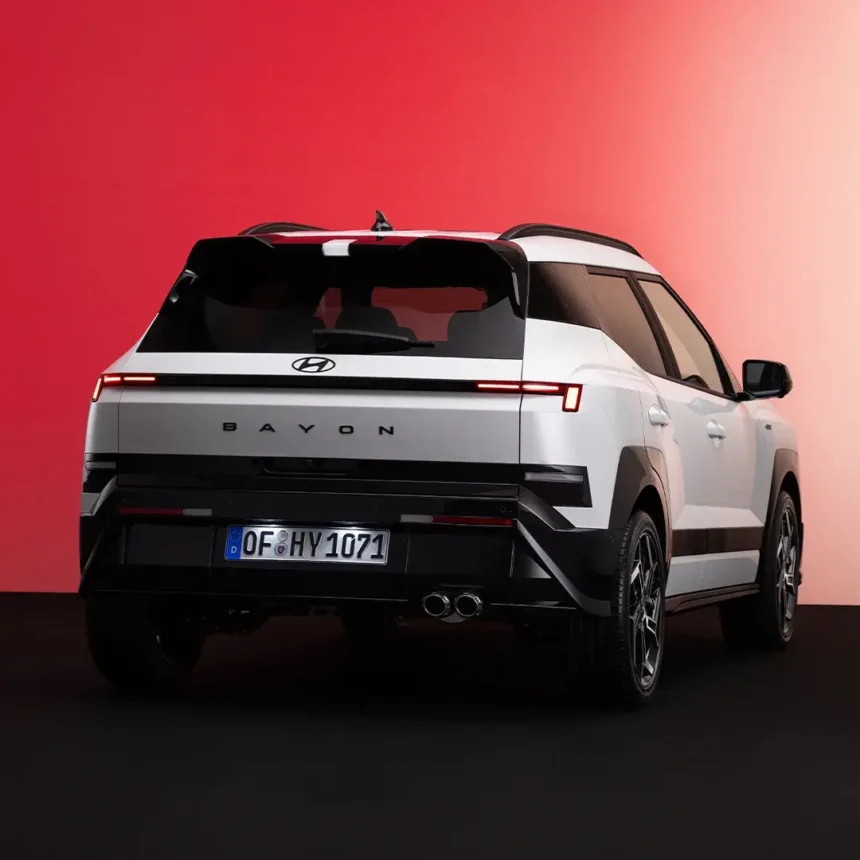
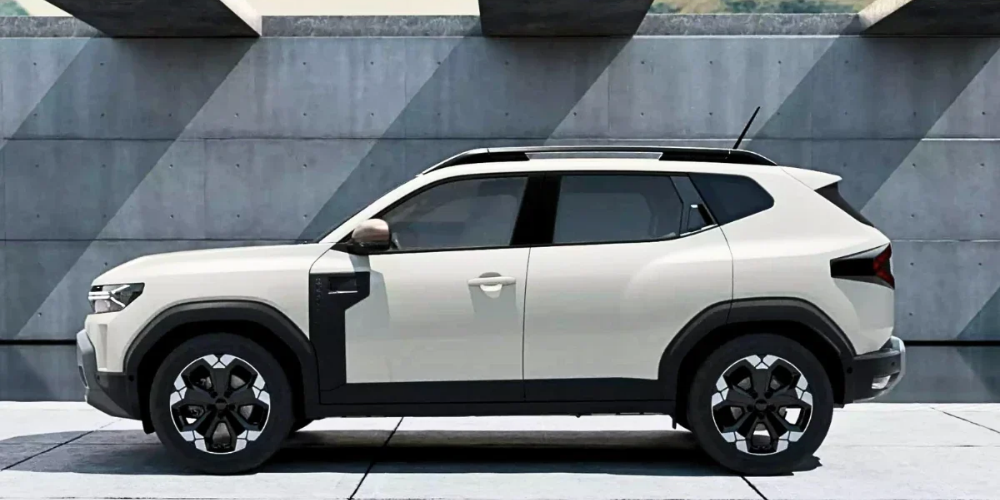
The Hyundai Bayon entered the Indian market in October 2026 with a starting price of ₹9.99 lakh (ex-showroom). It is designed for buyers who want the road presence of an SUV alongside modern technology and practical everyday usability. The model uses a 1.5-litre petrol engine producing 115 PS and 143.8 Nm of torque. Transmission choices include a six-speed manual and an Intelligent Variable Transmission. Its cabin features two 12.3-inch curved displays, creating a digital layout for driving information and entertainment. A generative AI voice assistant is another major highlight, while Level 2 Pro ADAS provides 23 driver-assistance features. These additions make the Bayon an interesting option for technology-conscious SUV buyers.
Toyota Glanza Refreshes The Hatchback Experience
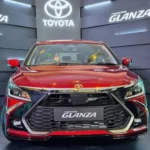
Toyota introduced its updated Glanza in October 2026, with prices starting at ₹6.99 lakh (ex-showroom). The hatchback receives a refreshed exterior featuring a redesigned grille, sportier bumper details and new colour options. Under the bonnet, it gets a 1.2-litre three-cylinder petrol engine producing 61 kW of power and 112.4 Nm of torque. A CNG version is also available for customers who prioritise running costs. One notable addition is the availability of an AMT option with CNG variants. Inside, the updated Glanza offers ventilated front seats, wireless smartphone charging, a head-up display and connected infotainment functions. Its Level 2 ADAS package adds another layer of driver assistance to this everyday hatchback.
Audi Q3 Adds Premium Digital Sophistication
The latest Audi Q3 arrived in India in October 2026 with an introductory starting price of ₹51.99 lakh (ex-showroom). This luxury SUV combines a 2.0-litre TFSI petrol engine with quattro all-wheel drive, producing 150 kW of power and 320 Nm of torque. Audi claims acceleration from zero to 100 km/h in 7.1 seconds. Its updated cabin places considerable attention on digital convenience, featuring a panoramic display arrangement with a virtual cockpit, central touchscreen and head-up display. Other notable equipment includes Digital Matrix LED headlights, a 12-speaker SONOS sound system, a panoramic sunroof and nine airbags. The Q3 is suited to customers seeking a premium SUV with strong performance and a technology-focused interior.
Renault Duster Hybrid Expands Powertrain Choices
Renault added a strong-hybrid version to the Duster range in October 2026. The E-Tech 160 variant combines a 1.8-litre petrol engine with two electric motors and a 1.4 kWh battery. Together, the system produces a claimed 160 hp, offering a different driving experience from conventional petrol-powered SUVs. Its hybrid transmission manages the contribution of the engine and electric motors according to driving conditions. Renault has also highlighted the possibility of completing a significant share of urban journeys in electric mode, which may help reduce petrol consumption in city traffic. Features such as ventilated front seats, a panoramic sunroof and dual-zone climate control add to cabin comfort. The hybrid Duster gives buyers another option between traditional petrol vehicles and fully electric SUVs.
Volvo EX90 Raises Luxury Electric Expectations
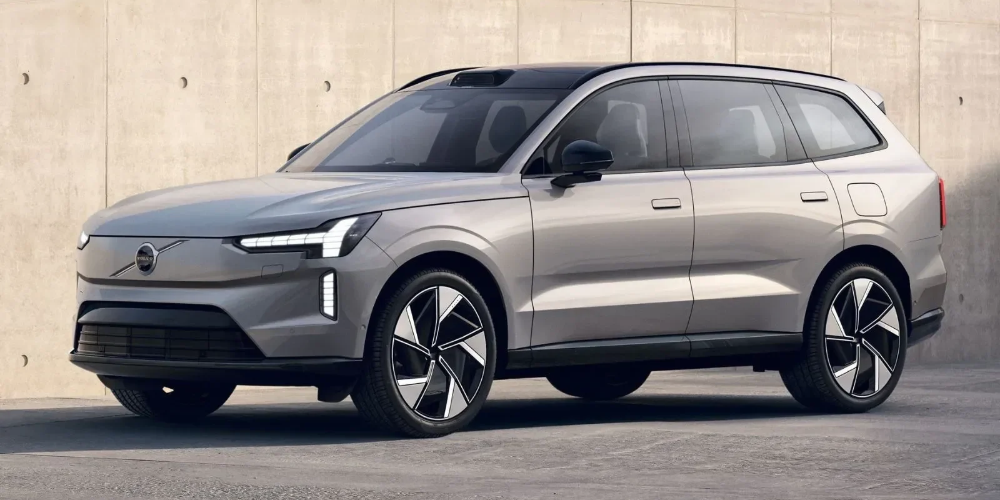
Volvo introduced the EX90 in India in October 2026 as a premium electric SUV. It is positioned for customers who want a spacious family vehicle with an electric powertrain and a luxury-focused cabin. The SUV uses a 106 kWh battery with a dual-motor all-wheel-drive setup. Its output reaches up to 456 hp and 670 Nm of torque, while the claimed WLTP driving range is up to 625 kilometres. The cabin follows a minimalist design approach, with a large portrait-oriented touchscreen and a separate driver display. The India-spec model is offered with six seats, including second-row captain’s chairs. Its combination of electric performance, interior space and premium equipment makes it a significant addition to the luxury EV segment.
What Buyers Should Consider Before Choosing
A new car should be evaluated according to its intended use rather than the number of features listed in its brochure. Buyers interested in the Glanza may value compact dimensions, convenient parking and the availability of a CNG option. The Bayon could attract those who want an SUV with connected features and advanced driver assistance. Customers considering the Duster Hybrid should understand how its hybrid system operates and compare its expected running costs with petrol alternatives. The Audi Q3 and Volvo EX90 belong to considerably higher price categories, where performance, comfort, brand experience and ownership expenses become important factors. Before making a booking, it is sensible to compare variant-wise equipment, safety features, warranty coverage, service availability and the final on-road price.

Conclusion
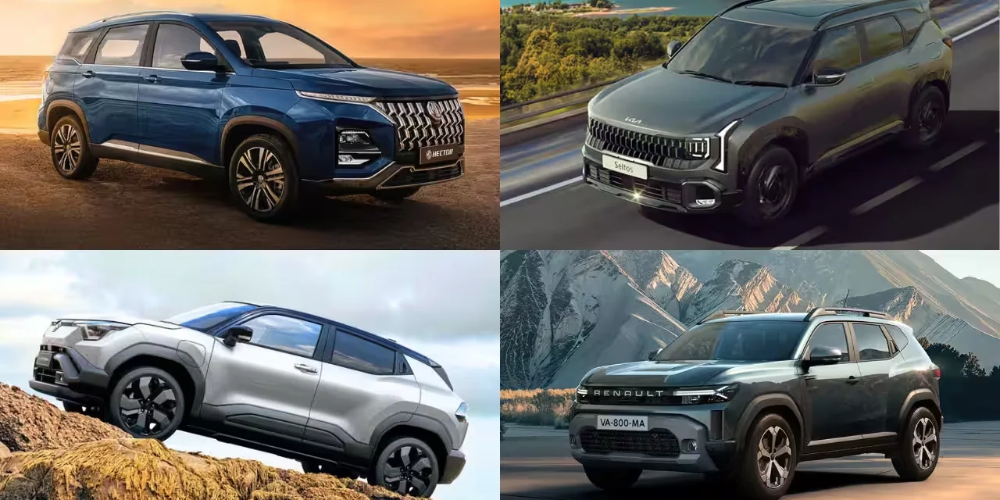
October 2026 has brought fresh choices to several parts of the Indian car market. The Hyundai Bayon focuses on technology and driver assistance, while the Toyota Glanza combines updated equipment with practical petrol and CNG options. Renault’s hybrid Duster introduces another approach to improving efficiency, and the Audi Q3 offers a more premium combination of performance and digital features. Volvo’s EX90 adds an electric luxury SUV to the market for buyers seeking space and advanced technology. Each vehicle serves a different purpose, making it important to compare more than appearance or headline specifications. Understanding personal driving needs, budget and long-term ownership costs can help buyers select a model that makes sense for their everyday journeys.