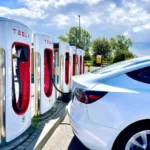



Electric vehicles are transforming the automotive industry with improvements in battery performance, driving range and charging technology. One of the biggest developments is ultra-fast charging, which allows drivers to recharge their vehicles in considerably less time than conventional charging systems. Earlier, EV owners often had to spend several hours charging their vehicles, but modern technologies are bringing charging times closer to traditional fuel stops. Manufacturers are investing in advanced battery chemistry, high-voltage electrical platforms and powerful charging stations to improve convenience. These developments are making electric mobility more practical for everyday commuters, long-distance travellers and people looking for efficient transportation options.
Understanding Modern Electric Vehicle Charging Technology
Charging technology plays an important role in determining how quickly an electric vehicle can regain its battery power. Most electric cars support either alternating current (AC) charging or direct current (DC) fast charging. AC charging is commonly used at homes and workplaces, while DC charging is designed for faster battery replenishment at public charging stations. Modern electric vehicles increasingly feature 800V and even 1000V electrical architectures, allowing them to handle higher charging power. These systems can reduce charging time when paired with compatible high-powered chargers. Battery temperature, charging capacity, infrastructure availability and battery condition also influence the actual charging speed experienced by drivers.
BYD Introduces Advanced Flash Charging Technology
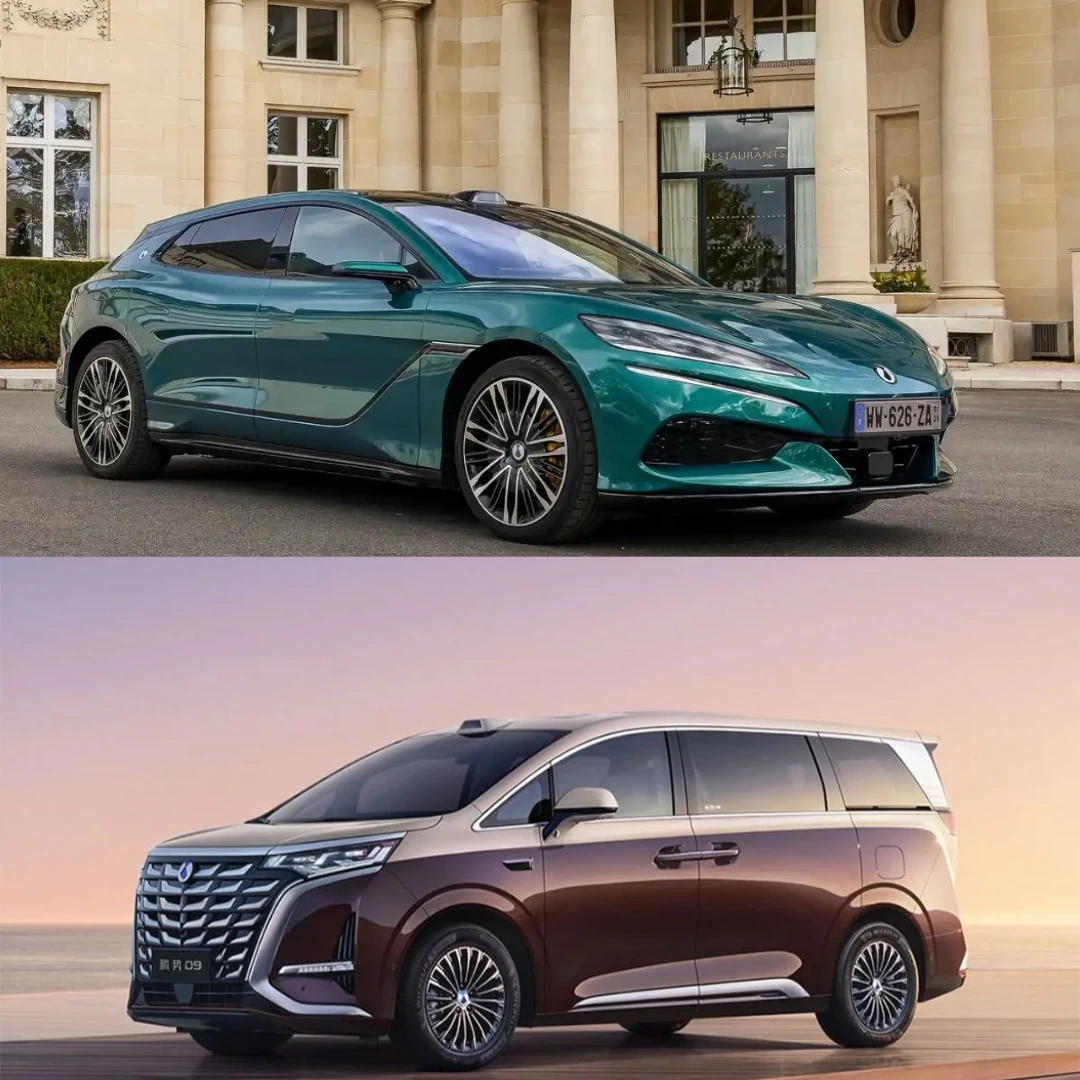
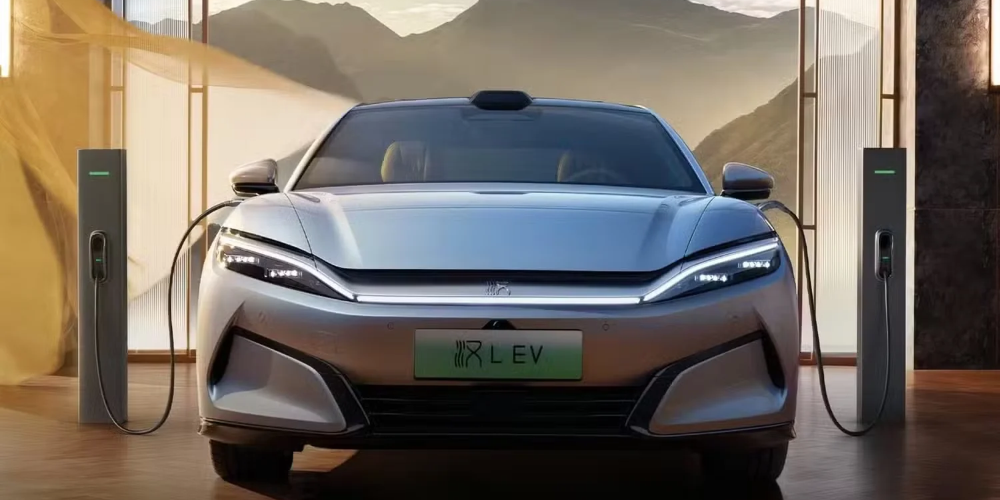
BYD has introduced one of the most advanced charging technologies through its second-generation Blade Battery and FLASH Charging system. Announced in March 2026, the technology claims to charge a compatible vehicle from 10% to 70% in approximately five minutes and reach 97% in around nine minutes. The system supports charging power of up to 1,500 kW through specially designed charging stations. BYD has also highlighted improved low-temperature charging performance, addressing one of the common challenges associated with electric vehicle batteries. This development demonstrates how advanced battery design and high-power infrastructure can significantly reduce waiting times.
Geely Develops Its Next Generation Charging System

Geely is another manufacturer making significant progress in ultra-fast electric vehicle charging. In September 2026, the company introduced a next-generation charging system capable of delivering up to 2.2 megawatts of power. According to the company’s announcement, compatible vehicles can charge from 10% to 70% in approximately 4.5 minutes and reach 97% in around eight minutes and 40 seconds. The technology combines high-rate battery systems with powerful charging infrastructure and artificial intelligence-based monitoring. These developments aim to improve charging efficiency while managing battery temperature and safety during high-power charging sessions.
BMW Introduces High Power Charging Capabilities
BMW is also advancing electric vehicle charging through its next-generation battery and electrical architecture. The upcoming BMW iX5 60 xDrive features an 800V system capable of supporting peak DC charging power of up to 460 kW. According to BMW, the vehicle can charge its battery from 10% to 80% in approximately 22 minutes under suitable conditions. Its sixth-generation eDrive technology also focuses on improved energy density, driving range and overall efficiency. This approach demonstrates how established automotive manufacturers are developing faster charging solutions while balancing battery performance, vehicle capabilities and everyday usability.
How 800V Architecture Improves Charging Performance
An 800V electrical architecture is an important development in modern electric vehicle engineering. Compared with conventional 400V systems, higher-voltage platforms can transfer more electrical power at a lower current for the same power output. This helps reduce electrical losses and heat generation, supporting faster and more efficient charging when the vehicle and charging station are compatible. Several manufacturers are adopting higher-voltage platforms to improve charging performance in their latest electric models. Some companies are also moving towards 900V and 1000V systems to achieve even greater charging speeds. However, the battery chemistry, thermal management system and charger capacity must work together to deliver these improvements.
Factors That Influence Electric Vehicle Charging Speeds
Although manufacturers advertise impressive charging figures, actual charging times can vary depending on several conditions. Battery temperature is one of the most important factors because extremely hot or cold conditions can reduce charging performance. The battery’s existing charge level also matters, as most electric vehicles gradually reduce charging power when the battery approaches full capacity. Furthermore, a vehicle capable of accepting 350 kW cannot achieve that speed when connected to a lower-powered charging station. Battery size, charger compatibility, electricity supply and battery management software also influence the overall experience. Therefore, buyers should consider real-world charging performance rather than relying entirely on advertised peak charging figures.
Charging Infrastructure Must Keep Pace
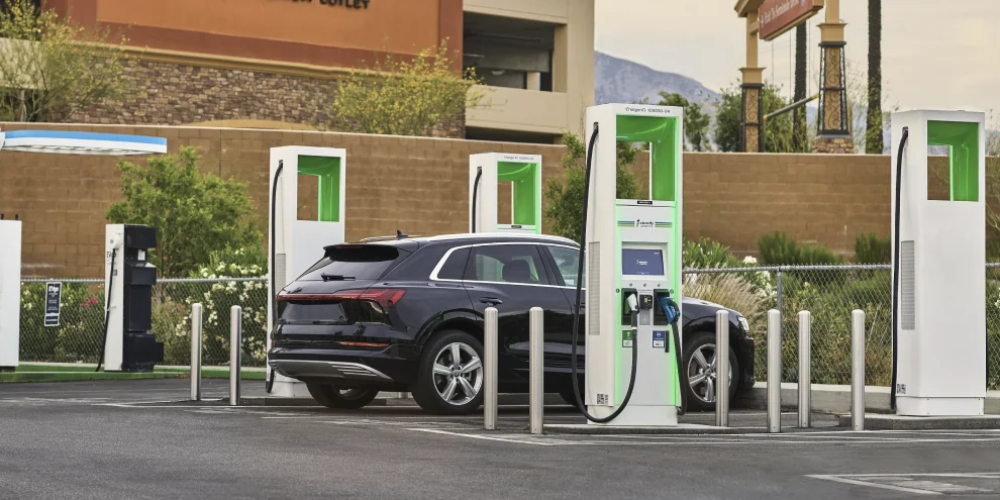
Faster electric vehicle batteries require equally advanced charging infrastructure to deliver their full potential. Even the most advanced electric car cannot achieve its maximum charging speed without a compatible high-power charging station. Manufacturers and charging network operators are therefore investing in new charging facilities, energy storage systems and improved electricity distribution. For example, BYD has announced plans to establish 20,000 FLASH Charging Stations across China, with a wider international rollout planned. However, expanding such infrastructure requires significant investment, reliable electricity supplies and suitable locations. Wider access to ultra-fast charging stations will be essential for making these technologies convenient for more electric vehicle owners.
Conclusion
Electric vehicle charging technology is progressing rapidly, with manufacturers introducing innovative battery systems, higher-voltage architectures and powerful charging stations. BYD and Geely are pushing charging times towards those traditionally associated with refuelling petrol vehicles, while BMW is developing high-power charging capabilities through its next-generation electric platforms. These advancements could make electric vehicles more convenient for daily commuting and long-distance journeys. However, charging speed is only one factor when selecting an electric car. Buyers should also evaluate driving range, battery safety, charging infrastructure, vehicle price and long-term efficiency. As technology continues to develop, faster charging will play an important role in the future of electric mobility.